

When a company is small, everyone knows what everyone else is doing. The founder sits in the same room as sales, finance and delivery. Problems get solved over chai.
Then the business grows. Departments form, heads of function arrive, and each team builds its own priorities, tools and habits. Sales promises what operations cannot deliver. Finance asks for data that marketing does not track. Projects stall at handoffs, and the same decision goes round three meetings before anyone makes it.
Nobody planned this. It is a side effect of growth. Silos are the default state of a growing organisation, and they stay in place until leaders design against them.
This guide gives mid-size enterprises a practical way to diagnose silos, fix them and keep teams working together as they scale. It follows a simple medical logic: symptoms, diagnosis, treatment and prognosis.
Key Takeaways at a Glance
- Silos are a growth side effect. They form as departments specialise, not because people are unwilling to cooperate.
- AI speeds up individuals, not teams. 89% of executives say AI increased speed, but only 6% can point to organisation-wide ROI, and 48% say it improved collaboration.
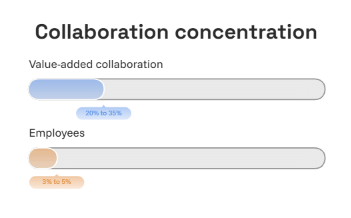
- More meetings is not the answer. Research shows 20% to 35% of valuable collaboration comes from just 3% to 5% of employees, which makes them bottlenecks.
- Fix the structure, not only the tools. Shared goals, clear decision rights, a steady operating rhythm and rewards for collaboration do most of the work.
- Collaborate where teams depend on each other. Limit cross-team work to real dependencies.
- Train managers and leaders. Collaboration is a skill that needs practice, not just a platform.
Symptoms: Eight Signs Your Organisation Has Silos
Use this quick checklist with your leadership team. Count how many apply.
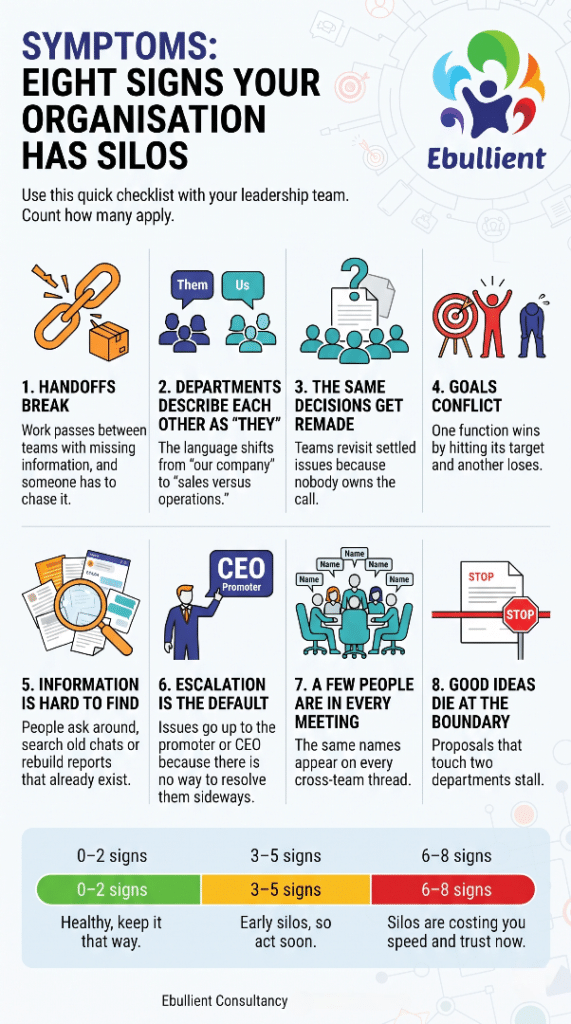
1. Handoffs break
Work passes between teams with missing information, and someone has to chase it.
2. Departments describe each other as “they.”
The language shifts from “our company” to “sales versus operations.”
3. The same decisions get remade
Teams revisit settled issues because nobody owns the call.
4. Goals conflict
One function wins by hitting its target and another loses.
5. Information is hard to find
People ask around, search old chats or rebuild reports that already exist.
6. Escalation is the default
Issues go up to the promoter or CEO because there is no way to resolve them sideways.
7. A few people are in every meeting
The same names appear on every cross-team thread.
8. Good ideas die at the boundary
Proposals that touch two departments stall.
0–2 signs: Healthy, keep it that way. 3–5 signs: Early silos, so act soon. 6–8 signs: Silos are costing you speed and trust now.
How Managerially Effective Is Your Organization, Really?
Take our free 4-minute assessment and get a personalized report on your leadership fluency, governance, and workforce readiness.
Take the Free AI Readiness Assessment →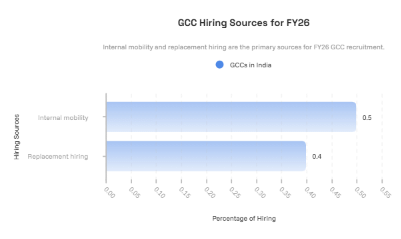
Source: Atlassian
DID YOU KNOW?
AI has made individuals faster but not necessarily teams. Atlassian’s State of Teams 2026 research found that 89% of executives say AI has increased the speed of work, yet only 6% are sure they can point to clear examples of AI return on investment across their organisations. Only 48% say AI has improved collaboration. Atlassian calls the gap the “fragmentation tax”: the hidden cost of disconnected tools and siloed knowledge.
Diagnosis: Why Do Silos Form As Companies Grow?
Five causes appear again and again.
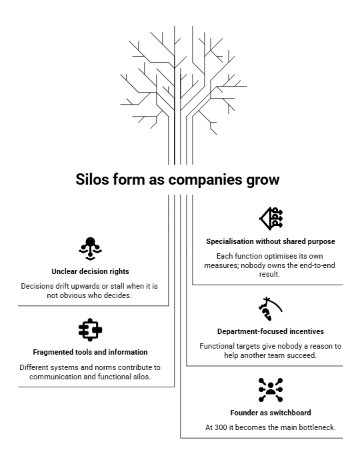
Specialisation without shared purpose
Each function optimises its own measures, and nobody owns the end-to-end result.
Unclear decision rights
When it is not obvious who decides, decisions drift upwards or stall.
Incentives that reward the department, not the outcome
If appraisals measure only functional targets, nobody has a reason to help another team succeed. An Adobe survey of more than 1,000 US employees found that only 53% believe their organisation’s performance review or incentive systems adequately reward effective cross-functional collaboration.
Fragmented tools and information
Different teams use different systems and norms. A Miro survey found that 57% of workers report communication silos and 51% say functional silos impede cross-functional collaboration.
A founder who becomes the switchboard
In many Indian mid-size and promoter-led businesses, the promoter personally connects departments. That works at 50 people. At 300 it becomes the main bottleneck.
The Manager Effectiveness Framework Free guide, instant download.
Get the Guide →Silos form as companies grow
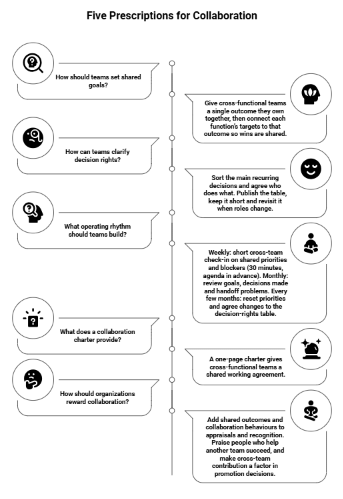
1. Set shared goals that sit above the functions
Give cross-functional teams a single outcome they own together, such as “deliver the new client onboarding in 30 days” or “reduce order-to-cash time.” Then connect each function’s targets to that outcome so wins are shared.
2. Clarify decision rights
Sort the main recurring decisions and agree who does what. A simple table is enough.
Decision | Who Decides | Who Must Be Consulted | Who Is Informed |
Customer pricing exceptions | Sales head | Finance, delivery | CEO |
New product features | Product lead | Sales, operations | Customer support |
Hiring for shared roles | Hiring manager | HR, adjacent team lead | Leadership team |
Delivery timelines promised to clients | Delivery head | Sales | Finance |
Publish the table, keep it short and revisit it when roles change. When people know who decides, escalation drops.
3. Build a steady operating rhythm
Replace ad-hoc coordination with a predictable pattern.
- Weekly: short cross-team check-in on shared priorities and blockers (30 minutes, agenda in advance)
- Monthly: review of cross-functional goals, decisions made and handoff problems
- Every few months: a longer session to reset priorities and agree changes to the decision-rights table
Our guide to fixing meeting culture shows how to keep these sessions short and useful.
4. Agree a collaboration charter
A one-page charter gives cross-functional teams a shared working agreement. Copy and adapt the template below.
Cross-Functional Team Charter Goal: [One sentence outcome this team owns together] Members and roles: [Names, function, what each person contributes] Decision rights: [Who decides what; link to the decision table] How we communicate: [Channel for updates, response times, meeting rhythm] How we handle disagreement: [Escalation path and time limit] Handoffs: [What a complete handoff includes] How we measure success: [Two or three indicators] Review date: [When we will revisit this charter]
5. Reward collaboration
Add shared outcomes and collaboration behaviours to appraisals and recognition. Praise people who help another team succeed, and make cross-team contribution a factor in promotion decisions.
Source: Forrester
DID YOU KNOW?
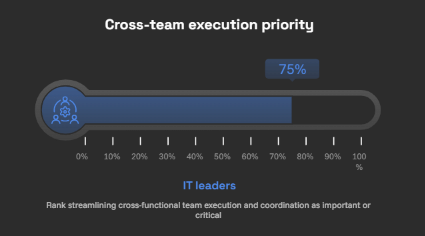
Leaders now rank cross-team execution as a top priority. Forrester research from 2026, cited by Atlassian, found that 75% of IT leaders rank streamlining cross-functional team execution and coordination as important or critical over the next 12 to 36 months, with team silos named as the single biggest barrier.
Warning: Do Not Over-Collaborate
The cure for silos is not more meetings. The Harvard Business Review research cited by Qualtrics shows that when a few people carry most of the collaboration load, they become bottlenecks. The remedy is to collaborate where teams depend on one another and to push decisions down to the people closest to the work.
A useful rule: if two teams do not depend on each other for the outcome, they do not need a standing meeting. Keep invitations tight, share notes widely and let people opt out when they add no value.
Can AI Help Break Silos?
AI can help teams find information, summarise discussions and keep records, and workers are hopeful. In the Miro survey, 64% hoped AI could reduce silos that inhibit information sharing and 45% hoped it could improve cross-functional collaboration.
But Atlassian’s 2026 findings show that speed alone does not create alignment. Use AI to make shared goals, decisions and status visible. Do not expect it to fix unclear ownership or conflicting incentives, because those are leadership choices.
What Should Indian Mid-Size Enterprises Keep in Mind?
These observations are based on common patterns, not on a specific Indian survey.
- Promoter-led decision-making. Move routine decisions to function heads with clear limits, so the promoter focuses on direction and exceptions.
- Respect for hierarchy. Junior people may hesitate to raise issues across functions. Leaders should invite cross-team feedback and thank people who flag problems early.
- Hybrid and multi-location teams. Written handoffs and shared trackers matter even more when people are not in one office.
- Family and relationship networks. Strong personal ties can help informal coordination, but they can also bypass process. Combine relationships with clear roles.
Prognosis: How Do You Measure Progress?
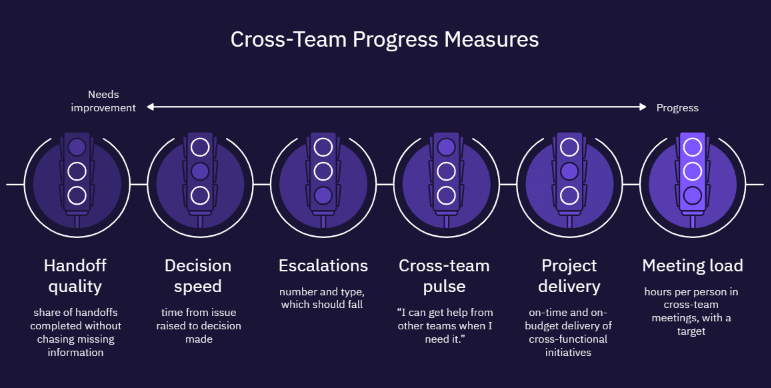
- Handoff quality: share of handoffs completed without chasing missing information
- Decision speed: time from issue raised to decision made on common cross-team calls
- Escalations to the CEO or promoter: number and type, which should fall
- Cross-team pulse (anonymous): “I can get help from other teams when I need it.”
- Project delivery: on-time and on-budget delivery of cross-functional initiatives
- Meeting load: hours per person in cross-team meetings, with a target
Set a baseline, review monthly and share results with the leadership team.
Source: Qualtrics
DID YOU KNOW?
Collaboration can concentrate in a few overloaded people. A Qualtrics article on silos, published on 11 November 2026, highlights Harvard Business Review research covering more than 300 organisations, which found that 20% to 35% of value-added collaboration came from just 3% to 5% of employees. When the same people are pulled into every cross-team decision, they become bottlenecks.
The Best Trainings to Build Cross-Functional Collaboration
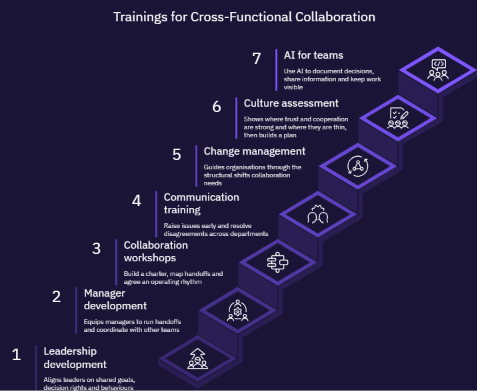
1. Leadership development for senior and functional heads
Aligns leaders on shared goals, decision rights and behaviours that reward collaboration. See our Leadership Development
2. Manager development programmes
Equips managers to run handoffs, coordinate with other teams and influence without authority. A Manager Development Program builds these skills.
3. Cross-functional collaboration workshops
Hands-on sessions where real teams build a charter, map handoffs and agree an operating rhythm.
4. Communication and conflict-resolution training
Helps people raise issues early and resolve disagreements across departments.
5. Change management support
Guides organisations through the structural shifts, such as new decision rights, that collaboration needs.
6. Culture assessment and action planning
Uses a diagnostic to show where trust and cooperation are strong and where they are thin, then builds a plan.
7. AI for managers and teams
Shows teams how to use AI to document decisions, share information and keep work visible.
The strongest programmes use your real teams and cases, include follow-up coaching and measure handoff quality and decision speed.
Curious About Other Areas of Your Organization?
Explore our other free assessments and get a fuller picture of where you stand.
View All AssessmentsWhy Organisations Choose Ebullient?
Ebullient partners with mid-size enterprises to drive organisational transformation, from leadership and culture to team capability and AI readiness. Silos are one of the most common growth problems we see.
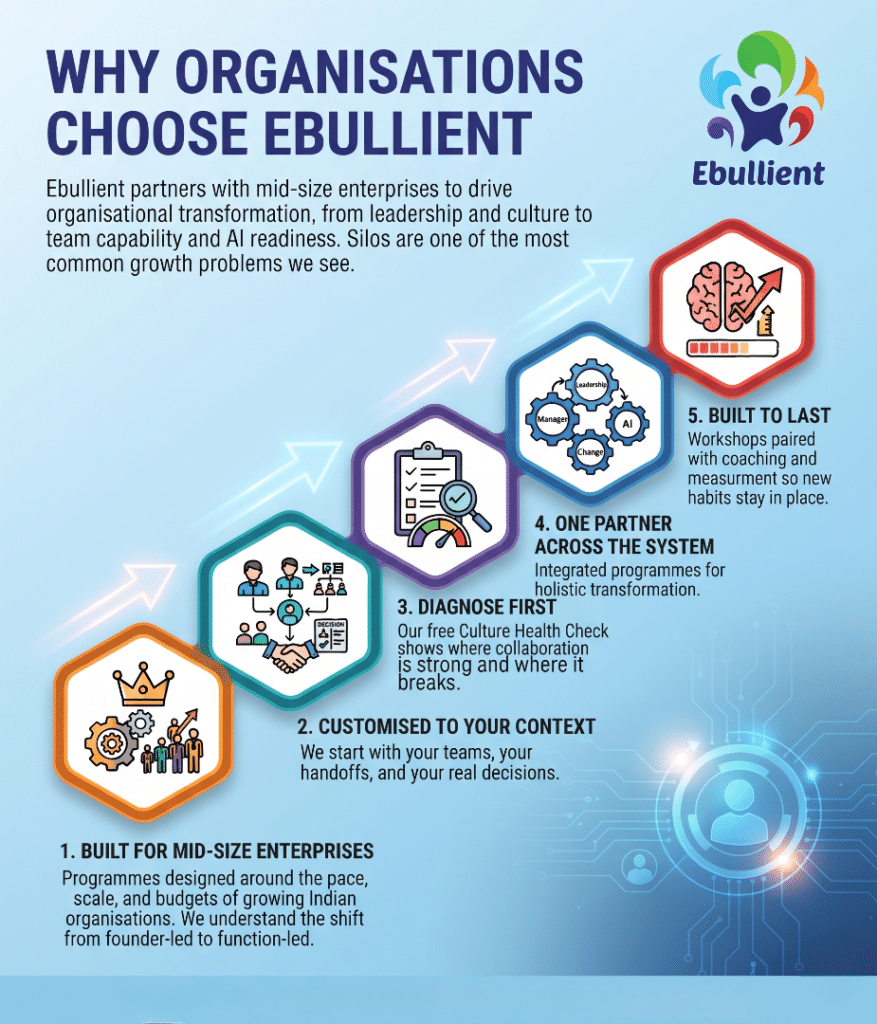
- Built for mid-size enterprises. We understand the shift from founder-led to function-led organisations and design programmes to match.
- Customised to your context. We start with your teams, your handoffs and your real decisions.
- Diagnose first. Our free Culture Health Check shows where collaboration is strong and where it breaks.
- One partner across the system. Leadership, manager development, culture, change and AI programmes work together.
- Built to last. We pair workshops with coaching and measurement so new habits stay in place.
Book a discovery call to talk about building stronger cross-functional teams.
Want to meet the team?
Start with a 30-min conversation. No commitment needed.
Frequently Asked Questions
What is cross-functional collaboration?
Cross-functional collaboration is people from different departments, such as sales, operations, finance and HR, working together toward a shared outcome. It relies on shared goals, clear roles, open communication and agreed ways of making decisions across team boundaries.
Why do silos form in growing companies?
As companies grow, work splits into specialised functions, each with its own goals, tools and habits. Without shared outcomes, clear decision rights and rewards for collaboration, teams optimise for themselves. Founders who personally connect departments often become a bottleneck at scale.
How do you break down silos in an organisation?
Set shared goals, clarify decision rights, build a steady operating rhythm, agree a collaboration charter and reward cooperative behaviour. Collaborate where teams truly depend on each other, and train leaders and managers in cross-team skills.
Can software solve organisational silos?
Tools help by making information visible, but they do not fix unclear ownership or conflicting incentives. Atlassian’s 2026 research found that 89% of executives say AI increased speed, while only 48% say it improved collaboration. People, goals and structure matter as much as platforms.
How do you measure cross-functional collaboration?
Track handoff quality, decision speed, escalations to senior leaders, an anonymous cross-team pulse question, on-time delivery of shared projects and meeting load. Set a baseline first and review the numbers monthly.