

Sales Training vs. Behavioral Training is not about selecting one over the other. Sales training supports employees to work on their selling skills, product positioning, negotiation, and revenue generation, meanwhile behavioral training build better communication, emotional intelligence, customer service, and professionalism. For most of the frontline teams requires behavioral training which builds trust with customers, and sales training drives business results. Organisations that combine both create frontline teams capable of delivering excellent customer experiences and sustainable business growth.
Key Takeaways
- Sales Training vs. Behavioral Training is not an either-or decision.
- Behavioral training helps in developing communication skills, empathy, and CX.
- Sales training improves selling effectiveness, increases conversion rates, and helps in revenue generation.
- Customer trust is built through behavioral competencies before sales skills come into the picture.
- Organisations will see the best results when they integrate both the concepts.
- Future-ready frontline teams need leadership with developed mindsets, adaptability, and continuous learning to gain sales effectiveness.
Why Is the Traditional Sales Training vs. Behavioral Training Debate Outdated?
Frontline employees are the first and most frequent coordinator between an organisation and its customers. Whether in banking, retail, insurance, hospitality, healthcare, or telecommunications, their interactions directly impacts customer satisfaction, brand perception, and business performance.
Yet many organisationshave to deal with common challenge: Should they prioritize sales capability or behavioral skill enhancement?
The debate around Sales Training versus Behavioral Training has gain, an overall relevance, because customer expectations keep on evolving. Modern customers expect more than product knowledge and consultative selling. They want empathy, personalised interactions, active listening, and professional service experiences.
At Ebullient consultancy, we support organisations needs to develop the human capability to thrive under deep ambiguity, not just simply train people but also execute predefined processes.
Source: Techradar
Did You Know?
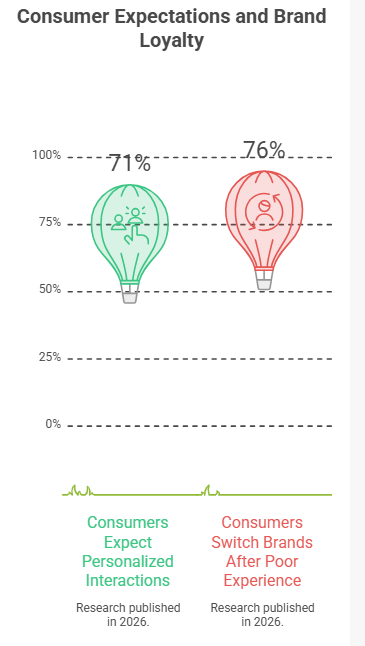
From customer experience research, published in 2026, it seems like 71% of consumers expect those more personalized interactions, and 76% say they switch brands after a poor experience.
How Sales-Ready Is Your Organization, Really?
Take our free 4-minute assessment and get a personalized report on your leadership fluency, governance, and workforce readiness.
Take the Free Sales Team Capability Assessment →What Is Sales Training and Why Does It Still Matter?
Sales training emphasis on building the knowledge, skills, and techniques in which employees have to identify customer needs, communicate skills, overcome objections, and achieving commercial objectives. It is essential because organisations still depends on effective customer conversations to drive revenue and growth.
Modern salesman training has move beyond just pitching the product.
Today’s frontline employees needs to learn how to:
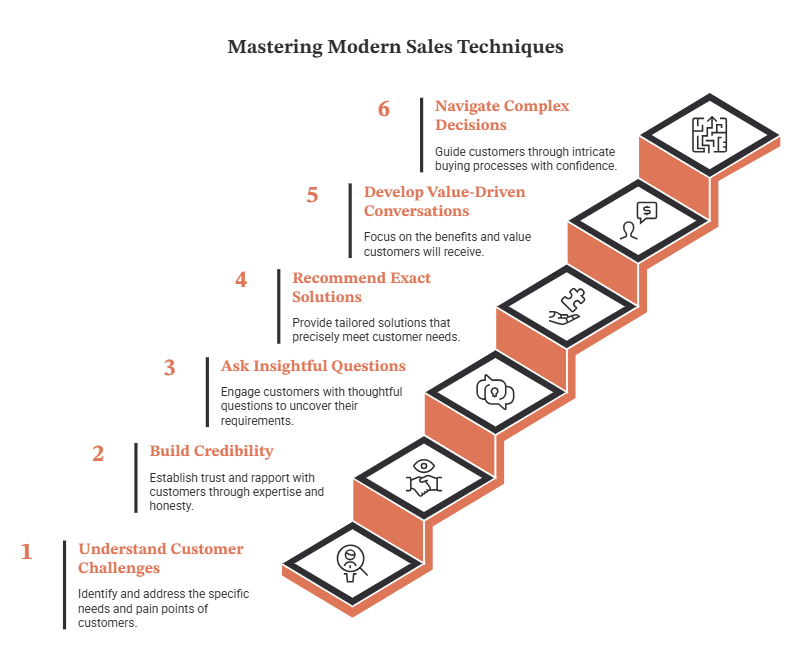
- Need to know & Address
- customer challenges
- Building credibility
- Asking insightful questions
- Recommend exact solutions
- Develop value-driven conversations
- Navigate with complex buying decisions
Effective sales training methods are: role plays, simulations, coaching, consultative selling frameworks, and customer journey mapping.
Organisations need to invest in sales training programs for companies because sales capability directly impacts:
- Revenue generation
- Customer acquisition
- Cross-selling success
- Business growth
- Market competitiveness
Customers are continuously evaluating organisations based on trust, authenticity, and relationship terms.
That is where behavioral capability also becomes equally important.
Why Is Behavioral Training Becoming a Strategic Business Priority?
Behavioral training is gaining relevance because customer experience is highly depends on employee interactions. Communication, empathy, professionalism, and emotional intelligence directly impact customer satisfaction level, loyalty, and brand image.
The Shift Toward Customer Experience
Customers today compare organisations not only bases on their products or pricing but also about the quality , service , packaging or how it is delivered.
They evaluate through:
- Responsiveness
- Professionalism
- Empathy
- Relationship
- Problem-solving
Employees having strong behavioral competencies build positive experiences which encourage on repeating the business and gain customer loyalty.
Emotional Intelligence Delivers Better Results
Behavioral training often focuses on emotional intelligence, which helps employees:
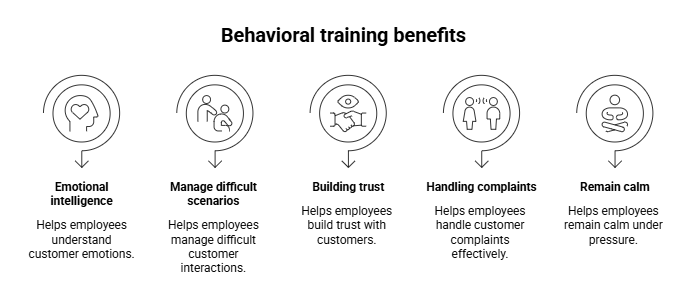
- Understand customer emotions
- Manage difficult scenarios
- Building trust factor
- Effectively handling the complaints effectively
- Remain calm under pressure
For frontline employees needs to face customers daily, these skills can directly impact performance. Behavioral capability is reshaping how customers experience the organisation.
Which Delivers Better Results: Sales Training or Behavioral Training?
Sales training may benefit in commercial performance, while behavioral training may strengthen customer relationships and organisational culture. Sustainable success needs both capabilities working together.
Comparing Business Outcomes
| Business Impact | Sales Training | Behavioral Training |
|---|---|---|
| Revenue Growth | High | Medium |
| Customer Satisfaction | Medium | High |
| Customer Loyalty | Medium | High |
| Employee Engagement | Medium | High |
| Conversion Rates | High | Medium |
| Team Collaboration | Low | High |
| Trust Building | Medium | High |
| Relationship Quality | Medium | High |
Organisations which are focusing solely on sales skills will acheive short-term gains but also risk of damaging customer relationships if employees lacks in behavioral competencies.
Conversely, organisations that are only focusing on behavioral development may build strong relationships but may struggle in maximizing the commercial opportunities.
Source: Businesswire
Did You Know?
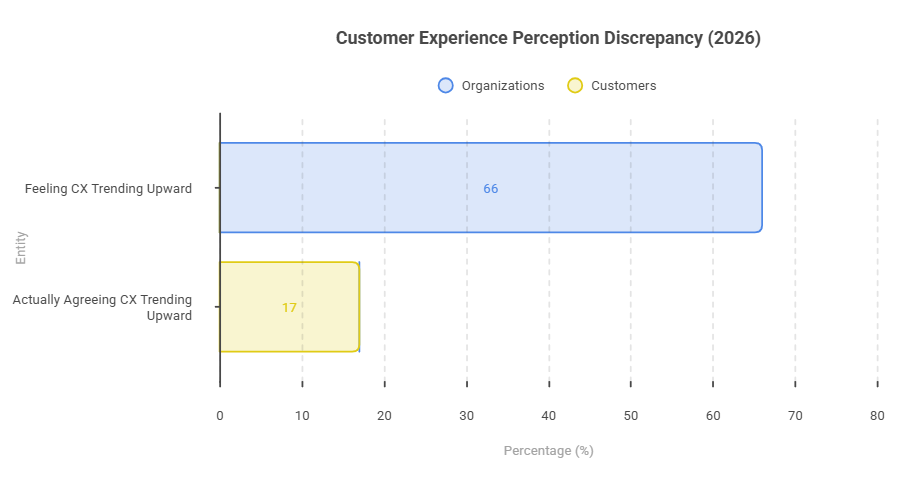
In a 2026 customer experience report it says that even though about 66% of organizations feel, that their customer experience is trending upward, only 17% of the customers actually agree.
The Critical Link Between Sales Success and Human Behavior
Organisations are now heavily invested in salesman training methods but underestimate the role of human behavior, in shaping purchasing decisions.
Customers not only the product but also judging the person while pitching the product.
An employee could work through every sales training approach, and still run into a struggle if they:
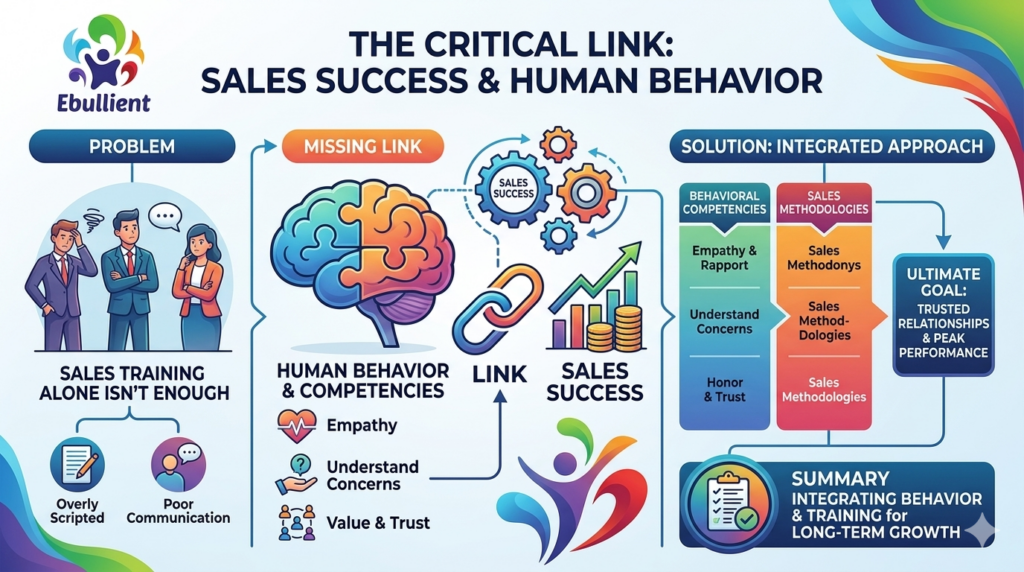
- Appear overly scripted
- Fail to understand customer concerns
- Lack empathy
- Communicate poorly
- Focus solely on closing the sale
Behavioral competencies sort of decide if customers understand, value, and are confident in what they decide to buy.
And that link between trust and sales performance is why top organisations are now more and more integrating both training approaches.
How Should HR and L&D Leaders Decide Between Sales and Behavioral Training?
HR and L&D leaders should start by identify the real root cause of performance issues before they decide, between sales training and behavioral training. If issues is happening in customer experience, communication, working together, or professionalism, then behavioral training should come first. But if the situation is more like about the low conversions, poor sales execution, or revenue targets that keep getting missed, sales training is the better solution.
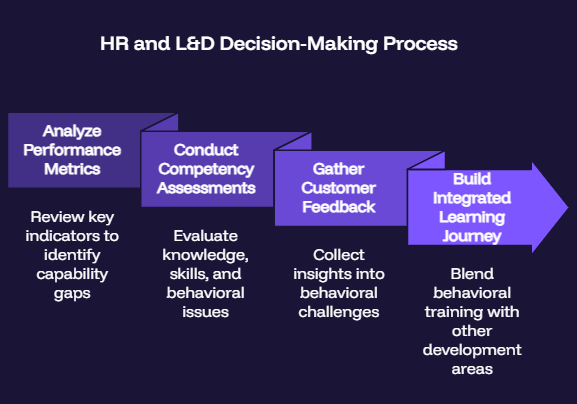
Step 1: Analyze the performance metrics
Go with the key indicators, like sales conversion rates, customer satisfaction scores, employee engagement levels, complaint trends, and overall revenue results. This is to spot the capability gaps.
Step 2: Conduct competency assessments
Check whether the performance issues come from lack of knowledge, skill gaps, behavioral difficulties, or problems tied to the process.
Step 3: Gather customer feedback
Customer feedback often uncovers the real behavioral issues, such as clumsy communication, not being responsive enough, low empathy, or interactions that feel unprofessional.
Step 4: Build an integrated learning journey
The strongest organizations blend behavioral training with product know-how growth, sales capability development, and ongoing coaching. This combines to create balanced frontline teams that stay high-performing over time.
Source: HBS
Did You Know?
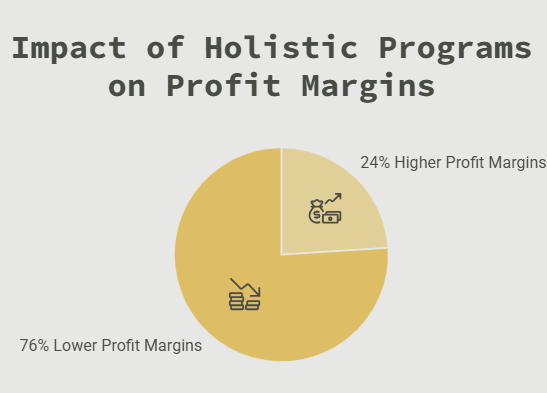
Organizations that integrate these holistic programs tend to see up to 24% higher profit margins and like. 218% higher income per employee compared to competitors who lean only on basic training.
Curious About Other Areas of Your Organization?
Explore our other free assessments and get a fuller picture of where you stand.
View All AssessmentsHow Ebullient Helps Organizations Build Human-Centered Frontline Excellence?
Ebullient supports organisations to build high-performing frontline teams through bespoke learning solutions that combine behavioral excellence with sales effectiveness.
Our approach goes beyond the traditional sales training programs for companies.
We helps organisations to develop frontline teams that can:
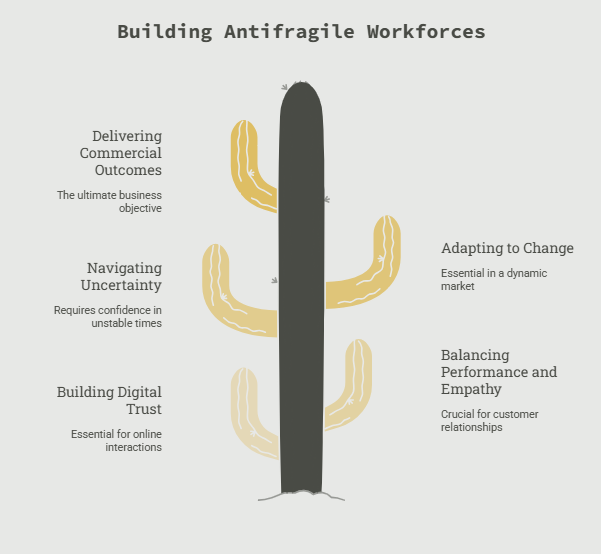
- Build trust in digital environments
- Balance performance with empathy
- Navigate through uncertainty confidently
- Adapt to rapid changing environment
- Deliver commercial outcomes
Through Leadership Reforging, Cultural Rewiring, Team Alchemy, and Future Mindset Development, it enable organisations to build antifragile workforces prepared for the realities of a BANI world.
The future belongs to the organisations that run on the greatest capacity to learn, adapt, and remain deeply human while embracing change.
Final Thoughts
The future of frontline performance won’t be decided just by product knowledge or by sales techniques. It will be reshaped by how effectively employees can learn, decide, and act amid complexity, uncertainty, and rapid change.
The mainly successful organisations understand that Sales Training vs. Behavioral Training is the wrong question.
The right question is:
How do we build frontline professionals who can integrate commercial intelligence with human intelligence?
Organisations can create both capabilities will develop stronger customer relationships, more resilient teams, and sustainable business growth.
Want to meet the team?
Start with a 30-min conversation. No commitment needed.
Frequently Asked Questions
What is sales training?
Sales training is a process of developing employees’ capability to engage customers, communicate value, overcoming the objections, and align business objectives through effective selling techniques.
Why is behavioral training important for frontline employees?
Behavioral training enhances communication, emotional intelligence, adaptability, teamwork, and customer relationship management, all of them are directly impact business performance.
Which is more important: sales training or behavioral training?
Both play an important. Sales training provides revenue generation, while behavioral training builds trust and customer experience. Organisations that integrate both of them will achieve the best results.
What are the most effective sales training methods?
Effective sales training methods are: role plays, coaching, simulations, consultative selling frameworks, mentoring, and customer journey-based learning.
How can organisations prepare frontline teams for future challenges?
Organisations must focus on continuous learning, adaptability, leadership development, behavioral capability, and commercial effectiveness to build high-performing teams that are capable of thriving in uncertain environments.