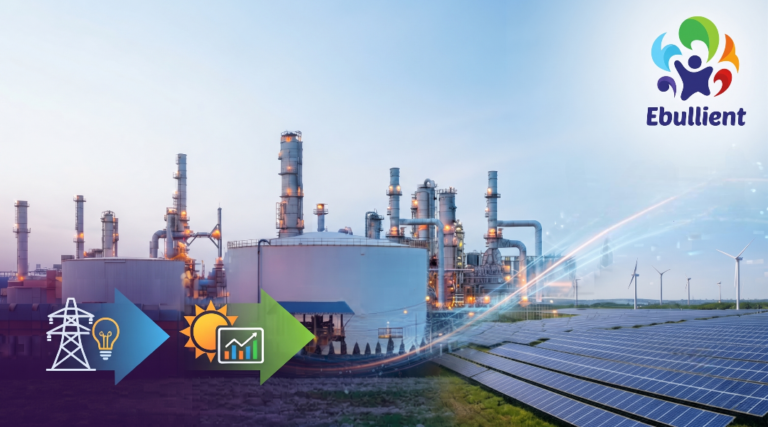
Future of Power Generation in India is undergoing the rapid transformation which is driven by renewable energy expansion, smart grid technologies, battery mangement & storage, green hydrogen development and rising electricity generation demand. With installed power generation capacity has exceeded its capacity by 520 GW in 2026 and renewable energy remains as a major contributing over 275 GW, India has positioned itself as a global leader in sustainable energy generation.
Key Takeaways at a Glance
- India is world’s third-largest electricity producer, and also one of the fastest-growing energy markets.
- The power sector market size in India is growing faster because of industrialization, urbanization, electric mobility, and then the digital infrastructure growth.
- Renewable energy is reshaping the whole industry with solar, and wind leading the installed capacity.
- Distributed energy systems microgrids are slow but boosting electricity capability ,and they make the system more resilient.
- For workforce upskilling, the most suitable programs —like thermal power plant training courses, and renewable energy training in general , it plays a vital role.
- The future of power generation in India 2026 project landscape seems to be pushed by sustainability, grid modernization, and energy security initiatives.
The Evolution of Power Sector in India
The transformation of power sector in India is showing the country’s journey from tradational coal-based generation which is shifted to a diversified and technology-driven energy ecosystem. Over the last two decades, policy reforms, private-sector interest, renewable energy investments, and digital innovations transformed ,where electricity is generated, transmitted, and consumed.
Now, India’s energy sector is focuses on reliability, affordability, and sustainability which developing new opportunities for utilities, developers, investors, and energy professionals.

Source: PIB
Did You Know?
By January 2026, India’s total installed power generation capacity hit roughly 520.5 GW, and that is the highest ever value in the country’s history.
Power Sector Market Size in India: Current Status and Future Potential
The power sector market size in India continues to grow due to:

- Rising industrial electricity demand
- Expansion of manufacturing industries
- Smart city development
- Rapid adoption of EV adoption
- Data center expansion
- Renewable energy investments
According to industry projections, the Indian power market will remain one of the world’s most attractive location for infrastructure and energy investments over the coming decade.
Organisations often need to study a power sector in India report and power sector in India PDF publications from government agencies and industries to assess market trends and investment opportunities.
How Ready Is Your Organization for Transformation, Really?
Take our free 4-minute assessment and get a personalized report on your leadership fluency, governance, and workforce readiness.
Take the Free AI Readiness Assessment →
Source: GSR
Did You Know?
India’s electricity need is expected to rise by 6.4% per year all the way through 2030 — the quickest steady pace among any big economy.
Emerging Trends Ahead for India's Power Sector
The future of the Indian power industry seems to be moving toward more generation capacity than before. At the same time, the sector is sliding into intelligent, sustainable, and digital energy ecosystems.
A few developments are expected to reshape the future power generation in the India 2026 project landscape:

1. Renewable Energy Dominance
Solar, wind, hydro, and hybrid projects will continue to investments as India keeps pushing toward non-fossil fuel targets. The instant growth in renewable energy installed capacity in India 2026 shows the country’s commitment to this clean energy shift.
2. Smart Grids and AI-Based Energy Management
Utilities are adopting predictive analytics, digital monitoring, and smart grid tools more and more. This is basically to boost reliability and also improve efficiency. Grid modernization will become critical as renewable penetration rises, because the system needs steadier control and smarter responses.
3. Energy Storage Expansion
Battery Energy Storage Systems, BESS for short, will become a strategic need for balancing the up and down nature of intermittent renewable generation. Also it helps keep the grid stable.
4. Green Hydrogen Development
Green hydrogen is starting to look like a big opportunity for decarbonizing industries such as steel, fertilizer, and heavy manufacturing. It will also form new demand for renewable power.
5. Electrification of Industry and Mobility
Electric vehicles, data centers and electrified manufacturing are expected to incarese electricity consumption over the next decade. That, in turn, creates new growth opportunities across the power value chain, from grid services to equipment and operations.

Source: TOI
Did You Know?
India has became the second-largest global solar growth market, sort of surpassing the United States in annual solar capacity additions during 2025.
Major Power Sector Companies in India
The power generation companies in India have a very diverse landscape, with quite a number of top companies spearheading renewable energy. Such top power generation companies in India are, among others:
| Company Name | Type of Energy Generated | Notable Achievements |
| NTPC Limited | Thermal, Hydro, Solar | Largest power utility in India with a diversified portfolio. |
| Tata Power | Thermal, Solar | Aims for 20 GW solar capacity by 2030. |
| Adani Green Energy | Solar, Wind | Major player in renewable energy with significant investments. |
| Reliance Power | Thermal, Renewable | Focus on green hydrogen and renewable projects. |
| Suzlon Energy | Wind | Leading wind turbine manufacturer with large orders. |
Companies like these are not only increasing their portfolio of renewable energy but also investing in new technology to improve efficiency and reduce costs.
Benefits of Evolving Power Generation Trends

- Sustainability: Cleaner, renewable power helps in reducing the carbon footprint.
- Energy Security: Using a hybrid of sources keeps electricity delivery more steady.
- Economic Growth: renewables source generate employment and bring in new investment opportunities.
- Technological Advancement: smart grids management and storage, AI-led solutions , really boost overall efficiency.
- Rural Development: distributed energy systems deliver reliable power to regions that are often underserved , and it helps the local economy.
Challenges in India’s Power Sector

- Infrastructure Constraints: old thermal plants and the transmission systems are getting outdated, they require upgrades.
- Intermittency of Renewables: the solar and wind output may often produce uneven power which is difficult to predict acutual output, so it fluctuates.
- Financing & Investment Needs: big-scale projects needs heavily capital, and lots of investment in upfront.
- Regulatory Hurdles: shifts in policy and delays can mess up the whole project execution and timelines.
- Skill Gap: There’s a shortage of trained professionals in the modern energy technologies.
Curious About Other Areas of Your Organization?
Explore our other free assessments and get a fuller picture of where you stand.
View All AssessmentsWorkforce Development: Building Future-Ready Energy Professionals
As the energy landscape continue to elove, organisations reuires skilled professionals who are capable for managing both conventional and renewable assets.
The growing demand for:

- Renewable energy specialists
- Grid modernization experts
- Smart energy analysts
- Battery management & storage engineers
- Green hydrogen professionals
These has increased interest for the best future of power generation in India training programs.
Similarly, thermal power plant training courses are playing critical role in handling the utilities and overall improve plant efficiency, reliability, emissions management, and operational excellence.
Organisations that are heavily invest in on-going learning will be at better positioned to navigate through the energy transition.
Final Thoughts
The future of power generation in India is transformed by renewable energy, digitalization, energy storage, green hydrogen, and smarter electricity networks. As electricity need are growing continously, the sector need to maintain balance amogst sustainability, affordability, and reliability while promoting innovation.
The future of power generation in India 2026 project ecosystem provides immense opportunities for utilities, investors, policymakers, and technology providers. Now, we have to understand the latest power sector in India report, monitoring the power sector market size in India, and staying ahead with updated renewable energy installed capacity in India trends, which will play vital in strategic decision-making.
At Ebullient Consultancy, we support organisation to navigate through industry-focused learning, strategic workshops, and capability-building programs which are designed for the Modern energy landscape. Whether you’re aiming for renewable energy integration, smart grid transformation, or operational excellence through thermal power plant training courses, our programs will help your organisation to prepare for future-ready energy workforce.
The energy transition is already happening now. Organisations that adopt innovation, sustainability, and workforce development will be at better positioned to lead the next generation of India’s power sector growth.
Want to meet the team?
Start with a 30-min conversation. No commitment needed.
Frequently Asked Questions
What is the renewable energy installed capacity in India in 2026?
India’s renewable energy installed capacity are now gone beyond that 263 GW by January 2026, which is contributing over more than 50% of total installed generation capacity.
What does the latest power sector in India report indicate?
Recent research give us insight into the record renewable energy, the growing electricity needs, and rapid expansion in investments in transmission and grid modernisation.
Which are the leading power sector companies in India?
The Major power sector companies in India are NTPC Limited, Tata Power, Adani Green Energy, Reliance Power, and Suzlon Energy.
What are the best future of power generation in India training programmes?
The best suited programmes which focuses on renewable energy technologies, smart grids, energy management and storage, grid management, AI-power power systems, and sustainability.
Are thermal power plant training courses still relevant?
Thermal power is one of the biggest contributor towards electricity generation in india, generating thermal power plant training courses which are aligned for operational excellence and boosting efficiency.