Professional resilience is the capability to adapt, recover, and perform effectively during workplace stress, uncertainty, or setbacks. It supports professionals dealing with high pressure, maintain emotional well-being, resolve problems, and continue growing inspite of facing challenges. In a way resilience strengthens productivity, improves readiness for leadership, supports mental well being, and contributes to long-term success.
Key Takeaways – At a Glance
- Resilience really helps professionals handle stress in a way that works, even when things get messy, adapt to change, and keep things moving performance-wise under pressure.
- Employees with strong resilience bounce back faster after setbacks and tend to do better during uncertainty.
- Emotional intelligence, adaptability, and a growth mindset become the backbone, of workplace resilience, during difficult times.
- Daily habits—like mindfulness, setting goals, and having strong support networks—kind of reinforce long-run resilience, even if it isn’t always obvious at first.
- Resilient leaders tend to boost employee morale, help with better decisions and keep the team more steady when things get difficult or messy.
- When organizations invest in resilience training, they often see improved productivity, higher engagement, and stronger retention rates, too.
Why Traditional Resilience Is No Longer Enough
For decades, workplace resilience was sort of treated as the ability to handle pressure, bounce back after troubles, and keep output steady even when everything feels heavy. But the real thing is, the nature of work has changed, and not a little bit.
Today’s organizations run into a whole mix of issues like
AI driven disruption, economic volatility, nonstop technological acceleration and climate or sustainability pressure. Add to that workforce anxiety and burnout, information overload, and unpredictable market behavior, all at once.
So the modern workplace doesn’t really move through neat, stable, linear systems anymore. Leaders are now expected to make high impact decisions when the information is, at best, incomplete. At the same time they’re trying to lead teams through uncertainty, emotional fatigue and rapid transformation that keeps arriving.
In that setting, older resilience models just don’t cut it.
The whole problem isn’t only “how do we survive pressure”. It’s more like learning how to think with clarity, act with discernment, and lead with humanity when certainty has pretty much disappeared.
Why Resilience Matters in Professional Life
Resilient professionals:
- Navigate change and uncertainty effectively
- Manage stress without compromising performance
- Demonstrate leadership and decision-making under pressure
- Maintain motivation during challenges
- Inspire teams through adaptability and confidence
In essence, resilience is a competitive advantage that helps individuals thrive in dynamic workplaces.
Source: IAP
Did You Know?
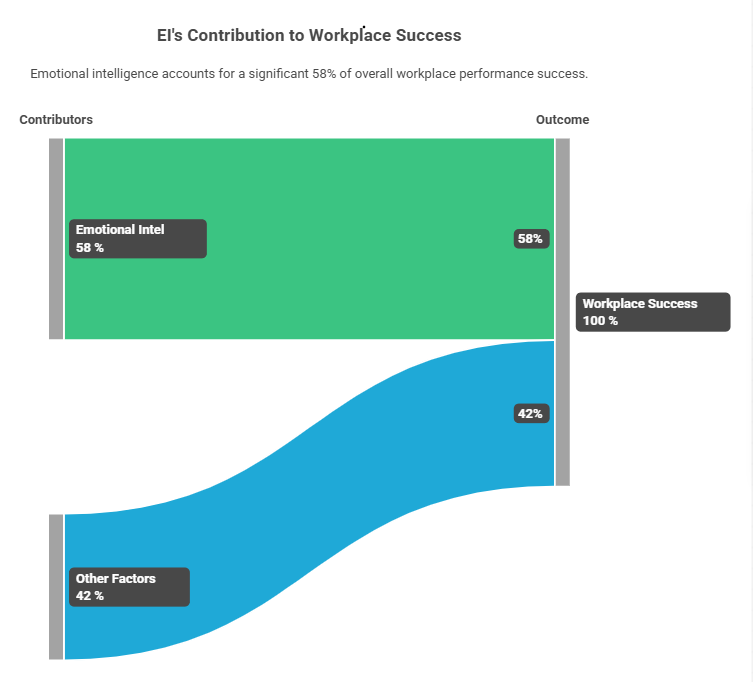
Emotional intelligence is at least pretty close to 58% of workplace performance success, sort of like it drives most of what happens there.
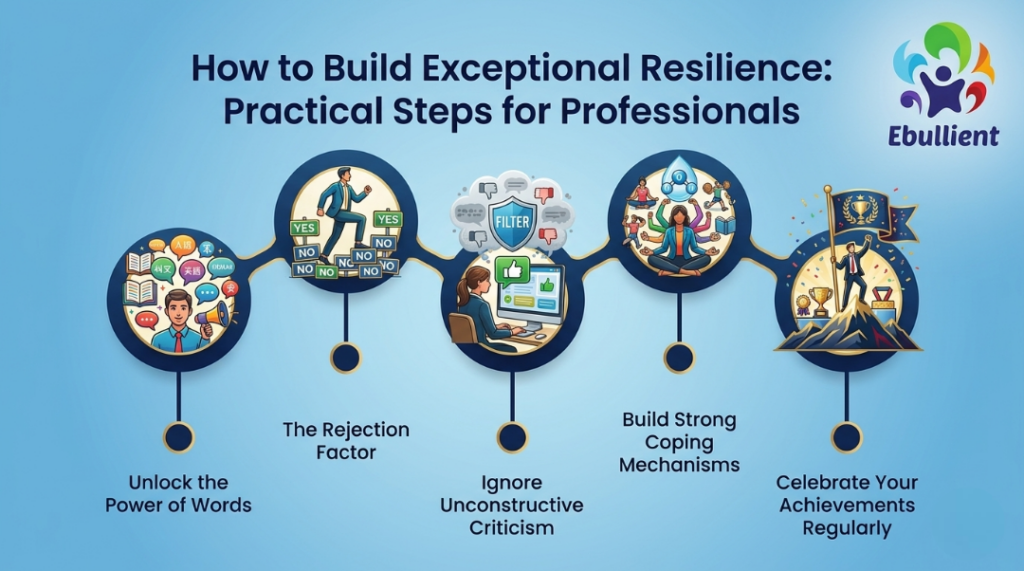
Practical Ways to Build Exceptional Resilience
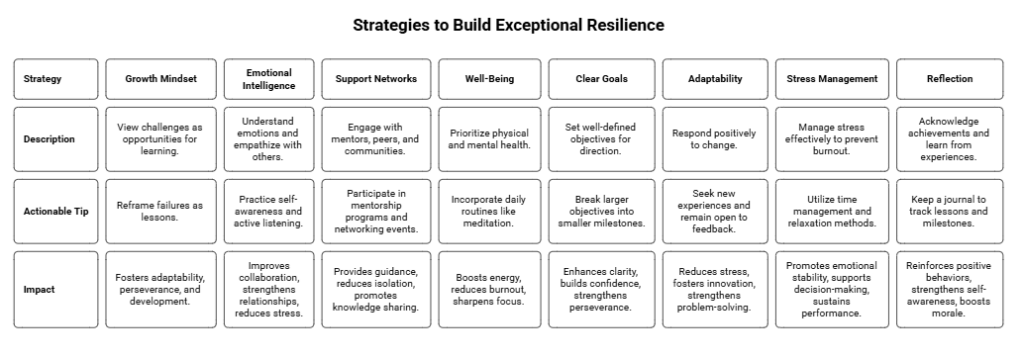
1. Cultivate a Growth Mindset
Resilient professionals view challenges not as setbacks but as opportunities to learn and grow. Adopting a growth mindset encourages continuous improvement and adaptability in the face of adversity.
Actionable Tip: Reframe failures as lessons and ask yourself, “What can I learn from this experience?” or “How can this challenge help me improve?”
Impact: Fosters adaptability, perseverance, and ongoing personal and professional development.
2. Develop Emotional Intelligence (EQ)
Understanding your emotions and empathizing with others enhances resilience. Emotional intelligence helps professionals navigate workplace challenges, build stronger relationships, and reduce stress.
Actionable Tip: Practice self-awareness, active listening, and empathy in daily interactions. Reflect on your emotional triggers and responses.
Impact: Improves collaboration, strengthens interpersonal connections, and creates a more positive work environment.
3. Build Strong Support Networks
Resilience thrives on connection. Engaging with mentors, peers, and professional communities provides guidance, encouragement, and fresh perspectives during challenging times.
Actionable Tip: Participate in mentorship programs, networking events, or peer learning groups to share experiences and advice.
Impact: Creates a safety net for guidance, reduces feelings of isolation, and promotes knowledge sharing and collective problem-solving.
4. Prioritize Physical and Mental Well-Being
Your body and mind are the foundation of resilience. Adequate sleep, balanced nutrition, regular exercise, and mindfulness practices enhance stamina, focus, and stress management.
Actionable Tip: Incorporate short daily routines such as meditation, deep-breathing exercises, or a brisk walk.
Impact: Boosts energy, reduces burnout, sharpens focus, and strengthens the ability to handle stress effectively.
5. Set Clear Goals and Maintain Focus
Having well-defined objectives gives professionals a sense of direction and purpose, even amid challenges. Clear goals help maintain motivation and reduce feelings of overwhelm.
Actionable Tip: Break larger objectives into smaller, achievable milestones and track progress consistently.
Impact: Enhances clarity, builds confidence, strengthens perseverance, and ensures steady progress toward success.
6. Practice Adaptability and Flexibility
Resilient individuals respond positively to change rather than resisting it. Flexibility allows professionals to pivot strategies, embrace new opportunities, and learn from evolving circumstances.
Actionable Tip: Seek out new experiences, remain open to feedback, and continuously learn to stay adaptable.
Impact: Reduces stress, fosters innovation, and strengthens problem-solving and decision-making abilities.
7. Learn to Manage Stress Effectively
Stress is inevitable, but resilience depends on how it’s managed. Effective stress management helps prevent burnout and maintain peak performance under pressure.
Actionable Tip: Utilize time management techniques, prioritize tasks, and incorporate relaxation methods such as mindfulness, journaling, or short breaks throughout the day.
Impact: Promotes emotional stability, supports better decision-making, and sustains consistent performance during high-pressure situations.
8. Reflect and Celebrate Progress
Resilience grows when professionals acknowledge their achievements and learn from experiences. Reflection reinforces growth, while celebrating small wins boosts motivation.
Actionable Tip: Keep a journal to track lessons learned, challenges overcome, and milestones achieved. Reflect weekly or monthly to identify patterns and improvements.
Impact: Reinforces positive behaviors, strengthens self-awareness, boosts morale, and maintains momentum for continued growth.
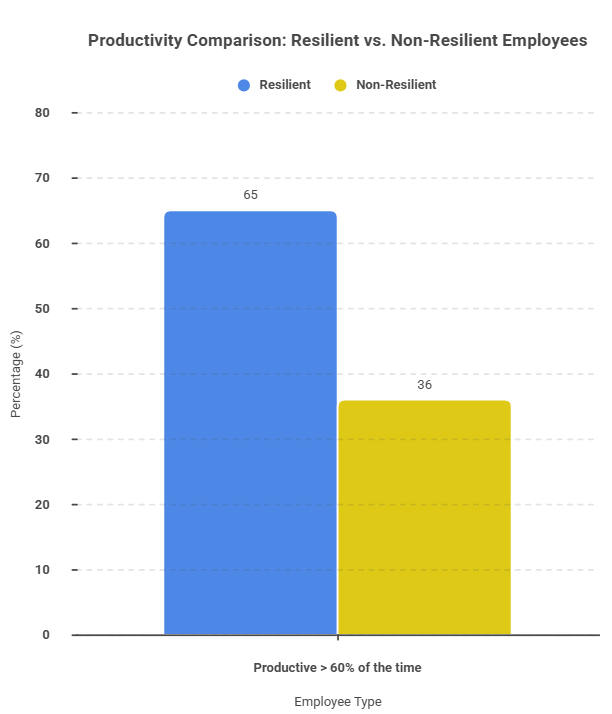
Source: Barnett Waddingham
Did You Know?
About 65% of the resilient people ended up being productive for more than 60% of the time, whereas it was only around 36% of workers who didn’t have resilience.
Benefits of Exceptional Resilience
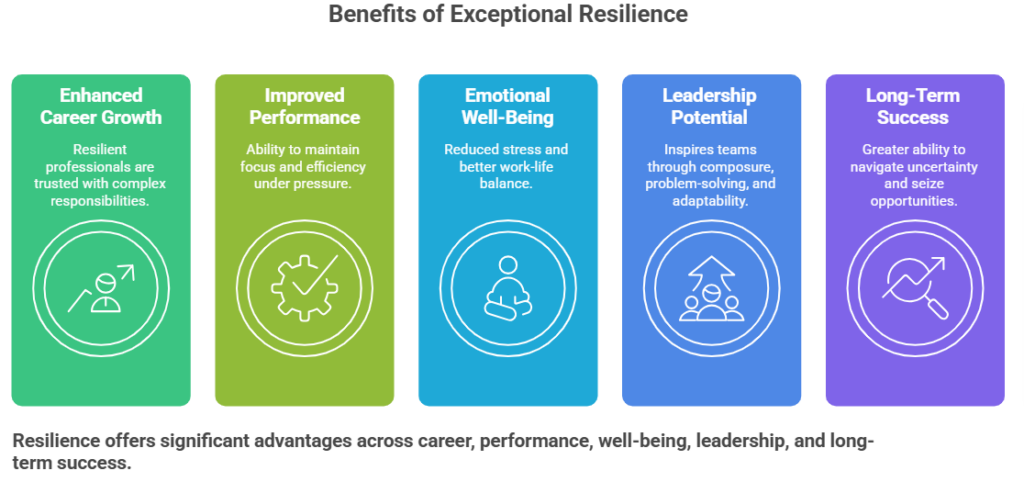
Enhanced Career Growth: Resilient professionals are trusted with complex responsibilities.
Improved Performance: Ability to maintain focus and efficiency under pressure.
Emotional Well-Being: Reduced stress and better work-life balance.
Leadership Potential: Inspires teams through composure, problem-solving, and adaptability.
Long-Term Success: Greater ability to navigate uncertainty and seize opportunities.
Challenges in Building Resilience
High Stress Environments: Constant pressure can erode resilience if unmanaged.
Fear of Failure: Avoidance behaviors can limit learning and adaptability.
Isolation: Lack of support systems reduces emotional coping capacity.
Habits and Mindsets: Negative thought patterns can hinder resilience development.
Balancing Priorities: Overcommitment can impact mental and physical well-being.
Tips to Overcome Challenges
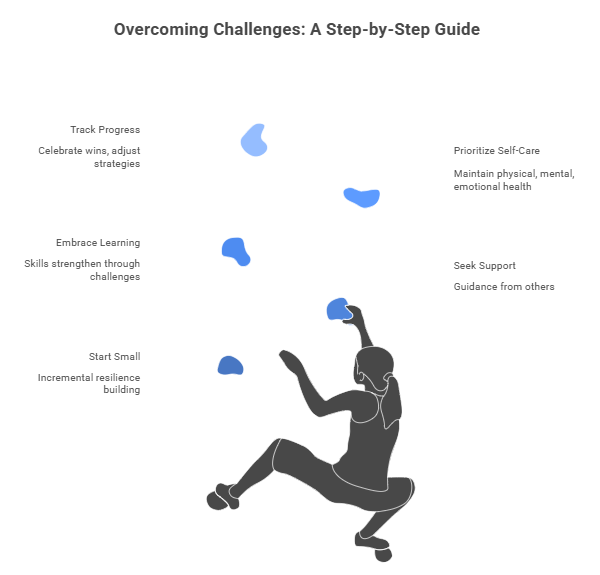
Start Small: Implement incremental resilience-building practices daily.
Seek Support: Engage mentors, coaches, or peer groups for guidance.
Embrace Learning: Treat challenges as opportunities to strengthen skills.
Prioritize Self-Care: Maintain physical, mental, and emotional health.
Track Progress: Celebrate small wins and adjust strategies based on outcomes.
The Future of Resilience Is Human-Centered
In a world shaped by exponential technology and continuous disruption, resilience is becoming the defining capability of modern leadership.
But resilience today is not about hardening people against pressure.
It is about developing wiser humans, more adaptive cultures, and organizations capable of balancing performance with human flourishing.
The future will not belong only to the fastest organizations. It will belong to those capable of learning, unlearning, and evolving — while keeping dignity, creativity, and care at the center of progress.
Unlock your potential and build exceptional resilience with Ebullient’s programs at Ebullient. Transform challenges into opportunities and thrive in your career.
Frequently Asked Questions
Get answers to commonly asked questions about Ebullient.
How Can Your Teams Build Exceptional Resilience During Workplace Change?
Why is resilience important at work?
Resilience helps professionals navigate stress, adapt to change, maintain performance, and achieve long-term success.
How can I start building resilience?
Focus on emotional intelligence, self-care, goal-setting, adaptability, and seeking support from mentors or peers.
Can resilience be learned?
Yes, resilience is a skill that can be developed through consistent practice, reflection, and professional development programs.
How does resilience improve leadership?
Resilient leaders inspire confidence, manage stress effectively, make better decisions, and support their teams during challenges.
What role do training programs play in resilience building?
Structured training programs provide tools, strategies, and practical exercises to strengthen coping mechanisms, adaptability, and problem-solving abilities.