

Cloud Security Training enables startup teams to secure cloud systems, take risk-aware decisions, and respond to cyber threats in the cloud Platform. For Indian startups to scale up quickly on AWS, Azure, or GCP, it helps regulate data exposure threats, ensures compliance, secures customer information, and builds trust among investors while making sure it is a vital business enabler, not just an IT function.
Key Takeaways – At a Glance
- Cloud Security Training play virtal role for boosting startups’ resilience and growth.
- Human judgment—not technology—is the biggest security factor.
- Customized training on cybersecurity helps in developing compliance, reduces breaches, and builds trust among customers.
- Startups must blend learning with transforming cloud security technologies.
- Continuous training is a more effective pathway than one-time sessions.
- Human-centered framework secures a long-term security advantage.
What is Cloud Security Training and Why Is It important for Startups?
Cloud Security Training trains teams how to secure cloud infrastructure, systems applications, and data insights. It is important for startups because they run on high-growth, resource-limited settings where even a single violation in breach can disrupt operations, impacts on reputation, and affects funding opportunities.
Startups in India are strengthen on cloud-first architectures. Whether it’s SaaS, fintech, or health-tech, nearly all the digital startup areodependent on cloud infrastructure. But here’s the challenge meanwhile cloud offers secure the infrastructure, startups are responsible for securing their data, applications, and easy of accessibility.
In our experience adopting security frameworks for Rapidly-growing tech firms, the biggest gap is not just about the technology, but it’s about human awareness. Founders are heavily investing on cloud platforms but often miss out the systematic Cloud Security Training, allowing built-in tools are adequate.
Organisation manage security as a tool problem. It’s not. It’s a judgment problem.
At Ebullient, we see Cloud Security Training not as a compliance checkbox, but as a capability that equips leaders and teams to learn, decide, and act under deep ambiguity , especially where digital acceleration, sustainability, and purpose intergates.
Because in a world of “godlike technology,” untrained teams become the weakest link.
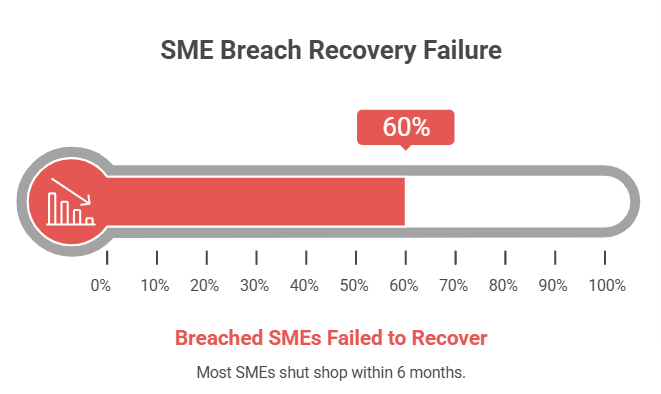
Source: Prime Infoserv
Did You Know?
60% of breached SMEs failed to recover fully; in some cases, they closed their businesses in 6 months.
How AI-Ready Is Your Organization, Really?
Take our free 4-minute assessment and get a personalized report on your leadership fluency, governance, and workforce readiness.
Take the Free AI Readiness Assessment →What is Cloud Security in Simple Words?
What is cloud security in simple words? It refers to protection of your data, systems, and applications in the cloud from breach access, loss, or attacks by safeguarding to ensure secure practices, tools, and trained people.
Think of cloud security as the discipline of establish rapport into your digital systems.
Cloud offers startups the most powerful infrastructure,but they don’t assure you safety. That responsibility taken care of by the organisation. Without a clarity and clear understanding of cloud security and privacy, teams unintentionally create exposure paths.
For Indian startups, this becomes even more essentail due to:
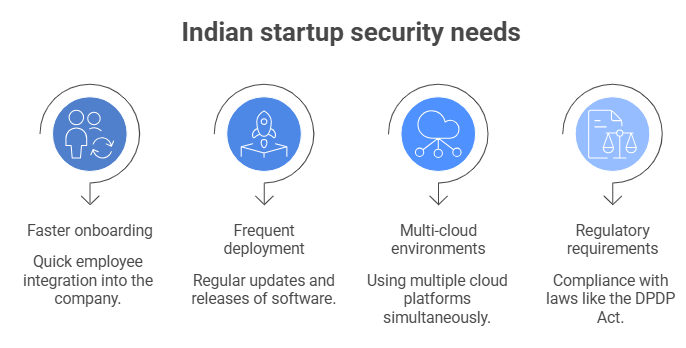
- Faster onboarding of employees
- Frequent deployment cycles
- Multi-cloud environments
- Regulatory requirements like the DPDP Act
Without an actual understanding of cloud security and privacy, teams often unknowingly create vulnerabilities.
Why Are Indian Startups More Vulnerable to Cloud Security Threats?
Indian startups deal with increased cloud security threats because they grow quickly and lack advanced security systems and their operational practices prioritize rapid development instead of proper governance procedures. Cloud Security Training becomes essential for businesses that want to achieve sustainable growth in their operations.
India’s startup ecosystem is one of the rapidly expanding globally. But with speed comes fragility.
The following risk factors exist as common security threats:
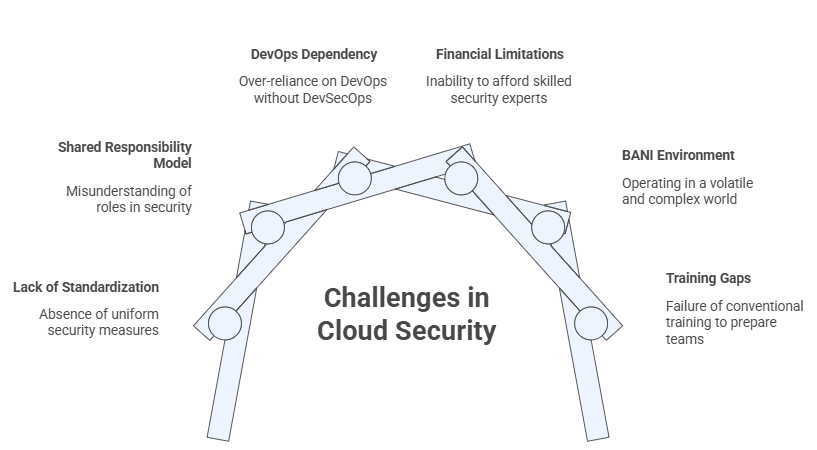
- The absence of standardized security measures for cloud computing services.
- People do not know about the shared responsibility model.
- Organizations depend excessively on DevOps while lacking DevSecOps support.
- Organizations cannot afford to pay for skilled security experts due to their financial limitations.
Startups operate in what we call BANI conditions—Brittle, Anxious, Nonlinear, Incomprehensible environments. The conventional training system fails to equip teams for this actual situation.
Ebullient’s approach reframes Cloud Security Training as a way to build antifragile capability—where teams don’t just avoid risk, but learn and evolve through it.
How Does Cloud Security Training Reduce Business Risk?
Cloud Security Training lowers business risk by equipping teams to actively identify vulnerabilities, execute secure practices, and respond effectively to threats, minimizing financial, operational, and reputational damage.
| Risk Dimension | Without Training | With Training |
|---|---|---|
| Data Breach Probability | High | Significantly Reduced |
| Incident Response Time | Slow | Fast & Structured |
| Compliance Readiness | Reactive | Proactive |
| Customer Trust | Fragile | Strengthened |
Security failures not only impact systems, but they are offer a reliable ecosystem.
In our experience executing security capability frameworks for fintech and SaaS firms, investors proactively evaluate startups based on how well they manage digital risk. A trained workforce provides overall development, foresight, and leadership readiness.
This is where the benefits of cloud security go beyond IT—they impact valuation, partnerships, and long-term reliability.
What Are the Key Benefits of Cloud Security Training for Startups?
The benefits of cloud security training result in better threat detection abilities and help organizations meet regulatory requirements while decreasing downtime, building customer trust, and maintaining business operations.
Let’s examine strategic benefits in a deeper way:
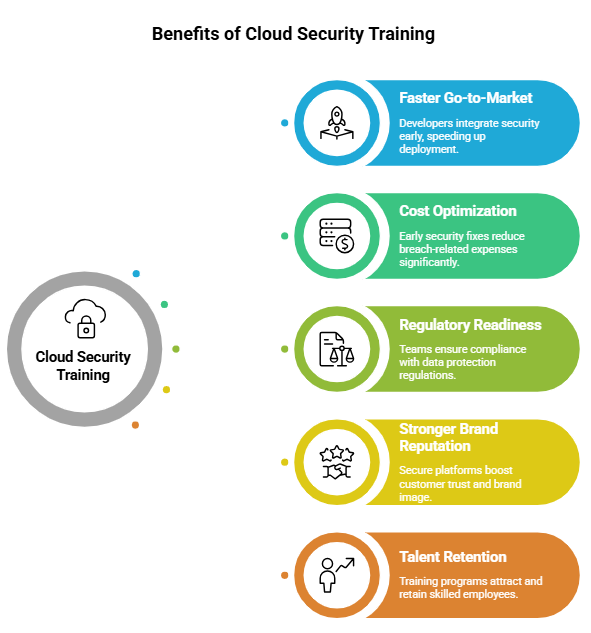
1. Faster Go-to-Market with Secure Deployment
The training process teaches developers to apply security measures during the initial stages of development. This approach results in less work that needs to be done again.
2. Cost Optimization
When organizations fix security vulnerabilities at the beginning stage. They spend only one-fifth of the costs that they would need to pay after a security breach occurs.
3. Regulatory Readiness
The trained teams of the organization work to ensure compliance with data protection laws which India has recently increased through their data protection law training efforts.
4. Stronger Brand Reputation
Customers choose secure platforms. This trend develops especially in the financial technology and health technology sectors.
5. Talent Retention
Cloud security course programs create value for employees because they provide organizations with training programs that help employees develop new skills.
Source: Upguard
Did You Know?
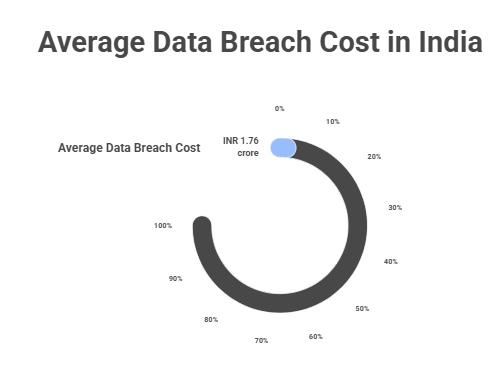
The average cost of data breaches reached an all-time high of INR 1.76 crore in recent studies.
Which Cloud Security Technologies Should Startups Focus On?
Startups must emphasize identity and access management (IAM), encryption, threat detection systems, security monitoring tools, and compliance automation as core cloud security technologies.
Here’s a practical breakdown:
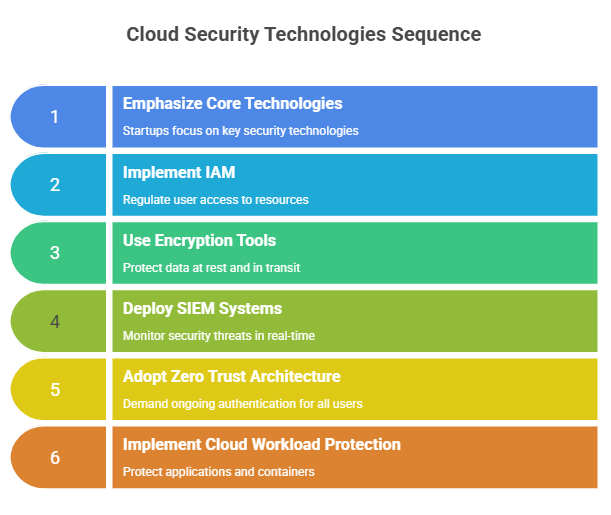
- IAM (Identity and Access Management): The IAM system regulates user access to system resources.
- Encryption Tools: The tools provide data protection to information stored on systems and data that moves through networks.
- SIEM Systems: SIEM systems provide organizations with the ability to monitor security threats as they occur.
- Zero Trust Architecture: The security model demands ongoing authentication for all users because it does not acceptany user as trustworthy.
- Cloud Workload Protection: The solution protects applications and containers from security threats.
In our experience, projects with startups that blend training with these technologies perform faster adoption and have fewer security incidents.
How Do Top Indian Startups Approach Cloud Security Training?
The top cybersecurity startups in india aligns on-goining learning, Job-Specific Training, and real-world simulations into their security strategy to build a high-performing team.
Organisations acknowledged among the top 10 cloud security startups in India and the best cloud security startups in India follow a systematic practice:
- Role-based learning journeys
- Continuous simulation exercises
- Security embedded in DevOps (DevSecOps)
- Leadership involvement in risk governance
- Regular audits and feedback loops
They don’t isolate security from culture—they combine it.
That’s the difference between compliance-driven organizations and capability-driven ecosystems.
What Are the Latest Trends Shaping Cloud Security Training?
The future of security in cloud computing is navigate by AI-enabled monitoring, Zero Trust Architecture (ZTA) and on-goining learning models showcase in modern cloud security training trends pdf insights.
The Key trends include:

- AI-powered threat detection training
- Gamified cybersecurity simulations
- Microlearning for agile teams
- Integrated DevSecOps learning paths
- Continuous compliance education
But beyond trends, the real shift is ideology.
Training is moving from “teaching best practices” to equipping towards adaptive thinking, which helps teams to unlearn outdated assumptions and reshape the learning process continuously.
Cloud Security Misconfigurations: The Biggest Startup Risk
Cloud misconfiguration training mainly focuses on preventing misconfiguration that discloses systems and data, making it one of the biggest-impact sectors of Cloud Security Training.
In our audits across Indian startups, misconfiguration helps in increasing rank as the top vulnerability.
- A publicly exposed database.
- An open API endpoint.
- Weak access controls.
These are not complex attacks—they are preventable errors.
Targeted training in this area:
- Reduces exposure risk dramatically
- Improves audit readiness
- Builds operational discipline
This is where Cloud Security Training delivers disproportionate ROI.
Source: The Hindu
Did You Know?
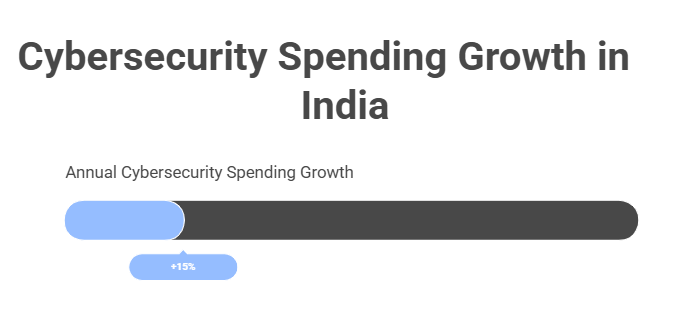
Cybersecurity spending in India is growing at over 15% annually.
Curious About Other Areas of Your Organization?
Explore our other free assessments and get a fuller picture of where you stand.
View All AssessmentsEbullient’s Approach to Cloud Security Training for Startups
Ebullient consultancy enables startups to prepare for Cloud Security Training capabilities that exceed compliance, which aims for human judgment, cultural transformation, and antifragile leadership.
Unlike traditional providers are offering static cloud security course modules, Ebullient works at the intersection of:
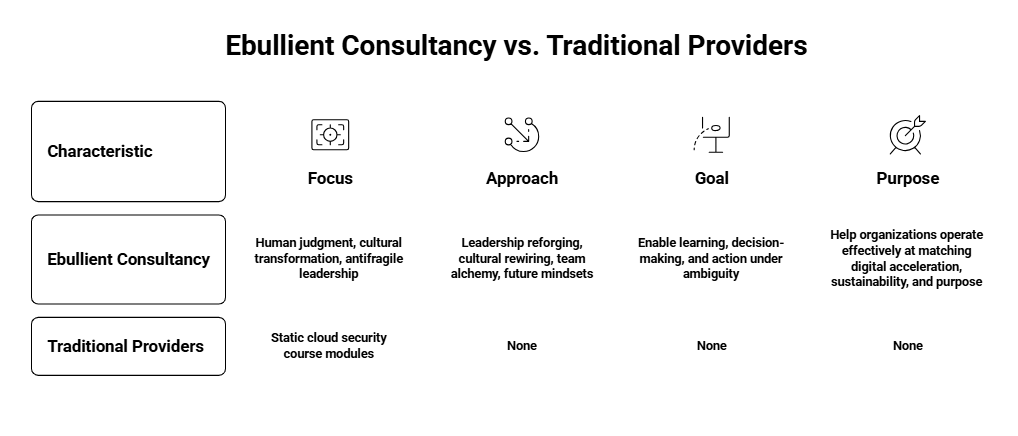
- Leadership Reforging: Building mindsets that prioritize wisdom over speed.
- Cultural Rewiring: Organizations should implement trust systems that operate throughout their entire framework.
- Team Alchemy: Organizations should develop collaborative systems that extend beyond their existing performance indicators.
- Future Mindsets: The system enables users to continuously learn new information while discarding outdated knowledge.
This aligns with our purpose to help organisations operate effectively at the matching digital acceleration, sustainability, and purpose.
We don’t just train teams.
We enable them to learn, decide, and act under deep ambiguity—where real security challenges exist.
Final Thoughts
Indian startups must invest in Cloud Security Training as an essential investment that protects their business growth and helps them meet legal requirements while establishing their long-term market reputation.
Startups operate in high-risk, high-speed environments. Security requires equal development to match the progress of innovation. Training bridges that gap.
Organisations that invest in capability building-not just tools, create systems that have both resilience and adaptability while remaining user-friendly. Those who don’t risk becoming fragile in the face of inevitable disruption.
Want to meet the team?
Start with a 30-min conversation. No commitment needed.
Frequently Asked Questions
Why is Cloud Security Training important for startups?
Startups need Cloud Security Training because it protects their systems from attacks while meeting legal requirements and developing secure systems that work during their growth phase.
What does a cloud security course include?
A cloud security course provides training in identity access management, encryption methods, monitoring systems, compliance rules, and secure infrastructure design.
How often should Cloud Security Training be conducted?
The most effective training program requires organisations to conduct three-monthly training sessions, which include ongoing learning materials and practice assessments.
Which industries need cloud security training the most?
The sectors that require cloud security training most urgently include financial technology and software as a service, and healthcare and e-commerce businesses that work with confidential customer information.
How does cloud security impact startup funding?
Startups execute robust security measures which helps in gaining higher investor trust because they reduce perceived risks and increase their company valuation.