
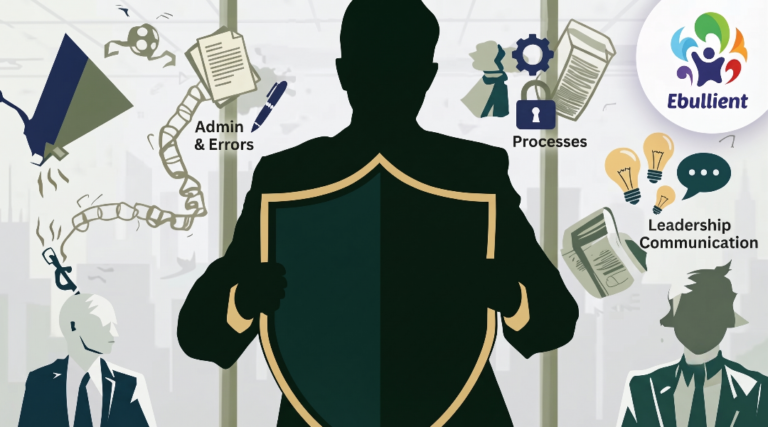
Becoming a manager for the first time is an exciting milestone — but it’s also one of the biggest transitions in any professional journey. The shift from individual contributor to team leader demands a new mindset, a fresh skill set, and a stronger sense of responsibility.
Many first-time managers quickly realize that technical expertise alone isn’t enough. Leading people requires emotional intelligence, communication, and the ability to inspire, delegate, and guide teams toward collective goals.
In a rapidly changing work environment, mastering these essential skills is what separates effective leaders from overwhelmed ones. Let’s explore the key competencies every first-time manager must develop to succeed and thrive.
Key Takeaways at a Glance
- First time managers have to shift, from doing their own tasks to the team leadership leading.
- Emotional intelligence along with communication are among the top 10 management skills employers value.
- AI powered workplaces are also transforming in leadership read.ness in 2026.
- Organisations that invest into manager development will see better team output and lower turnover.
- Organisations that choose a structured first time manager course, often get higher employee engagement and higher retention.
- The future ready leadership is needed for continuous unlearning, relearning, and that mindset rework.
The Reality of Being a First-Time Manager
Stepping into leadership can be overwhelming. One day you’re only responsible for your own work. Then the next day you’re dealing with deadlines, managing personalities, performance issues, team morale, and stakeholder expectations all at once.
The true deal with being a first-time manager — leadership stops being only about individual excellence. It becomes mostly about helping other people win, succeed, and keep moving forward.
A lot of new managers get stuck because they tend to:
- Avoid difficult conversations
- Micromanage employees
- Fail to delegate effectively
- Lack confidence in decision-making
- Focus more on tasks than people
- Struggle with work prioritisation
- Find it difficult to balance empathy with accountability
So that’s why organisations are investing into best first time manager training online programs, other leadership development initiatives.

Source: Gallup
Did You Know?
According to Gallup’s State of the Global Workplace 2026 Report, worldwide employee engagement fell to 20% in 2025, which is the lowest level since 2020 costing the global economy nearly $10 trillion in lost productivity.
How Managerially Effective Is Your Organization, Really?
Take our free 4-minute assessment and get a personalized report on your leadership fluency, governance, and workforce readiness.
Take the Free AI Readiness Assessment →Top 10 Management Skills Every New Leader Should Build

1. Emotional Intelligence (EI): The Foundation of Leadership
Emotional intelligence — the ability to understand, manage, and express emotions effectively — is the cornerstone of great leadership. For first-time managers, it helps in handling team dynamics, building trust, and maintaining composure under pressure.
Why it matters:
Managers with high EI can recognize their own emotional triggers and respond to challenges calmly. They also show empathy, making team members feel valued and heard.
How to build it:
-
Practice active listening in team discussions.
-
Reflect on emotional responses before reacting.
-
Encourage open communication and feedback.
-
Attend emotional intelligence or leadership development workshops.
Emotional intelligence sets the tone for how a team communicates, collaborates, and grows.
2. Communication: The Core of Managerial Success
Clear, transparent, and timely communication is the most critical skill for any manager. Whether it’s sharing feedback, delegating tasks, or aligning team goals, communication drives clarity and accountability.
Key aspects to master:
-
Active listening: Understand before responding.
-
Empathy in messaging: Choose words that motivate, not discourage.
-
Feedback delivery: Offer constructive feedback that guides, not criticizes.
-
Transparency: Keep teams informed about priorities, expectations, and changes.
Effective communication reduces confusion, strengthens relationships, and keeps teams motivated — especially in hybrid and remote work environments.
3. Delegation and Trust-Building
New managers often struggle with delegation — believing that “doing it myself” ensures quality. However, learning to delegate effectively is essential for both team development and managerial sustainability.
Benefits of delegation:
-
Empowers employees to take ownership of their work.
-
Builds trust and accountability.
-
Frees up managerial time for strategy and innovation.
Tips for effective delegation:
-
Match tasks with individual strengths.
-
Set clear expectations and outcomes.
-
Provide guidance but avoid micromanagement.
-
Celebrate successful completion.
Remember: great managers don’t just assign work — they develop confidence in their team’s capabilities.
4. Time Management and Prioritization
The jump to management often means handling competing demands — from meetings to reports to performance reviews. Learning to manage time wisely ensures productivity and reduces burnout.
Practical strategies:
-
Use tools like Eisenhower Matrix to prioritize tasks by urgency and importance.
-
Set aside “deep work” time for strategic planning.
-
Avoid overcommitment; say no when necessary.
-
Delegate repetitive or administrative tasks effectively.
Good time management allows first-time managers to focus on what truly matters — driving team results and innovation.
5. Decision-Making and Problem-Solving
Managers make decisions every day — from allocating resources to resolving conflicts. Developing sound judgment and problem-solving abilities builds credibility and fosters trust within the team.
Steps to effective decision-making:
-
Gather relevant data and perspectives.
-
Evaluate risks and alternatives.
-
Communicate decisions clearly to your team.
-
Learn from both successes and failures.
Even when decisions aren’t perfect, being transparent and consistent earns respect. Over time, your decision-making framework becomes sharper with experience.
6. Conflict Resolution and Team Harmony
No team is immune to disagreements — but how a manager handles them defines team morale. First-time managers must learn to address issues early, fairly, and empathetically.
Conflict management strategies:
-
Identify the root cause, not just the surface issue.
-
Stay neutral and listen to all parties.
-
Encourage collaborative solutions.
-
Document recurring patterns for long-term improvement.
Handled correctly, conflicts can strengthen team relationships and lead to better understanding and innovation.
7. Coaching and Feedback Skills
A great manager is also a coach. Instead of simply evaluating performance, they guide employees to improve and grow.
Key coaching principles:
-
Use one-on-one meetings to discuss goals and challenges.
-
Provide regular feedback — not just during appraisals.
-
Ask open-ended questions to encourage self-reflection.
-
Recognize achievements publicly, correct mistakes privately.
The shift from “telling” to “coaching” helps employees feel empowered, accountable, and aligned with company objectives.
8. Adaptability and Change Management
Today’s workplace is fast-paced — with constant changes in technology, processes, and priorities. First-time managers must develop the agility to lead through uncertainty.
How to become adaptable:
-
Embrace change as a learning opportunity.
-
Encourage your team to experiment and innovate.
-
Be open to feedback from peers and subordinates.
-
Keep yourself updated on industry and leadership trends.
When managers model adaptability, teams learn to respond to change positively and proactively.
9. Strategic Thinking and Goal Alignment
First-time managers often focus on immediate tasks — but to grow, they must also think strategically. Understanding how team goals align with organizational objectives is key to long-term success.
How to think strategically:
-
Understand your company’s mission, vision, and KPIs.
-
Anticipate future challenges and opportunities.
-
Set SMART (Specific, Measurable, Achievable, Relevant, Time-bound) goals.
-
Use data-driven insights to make informed decisions.
Strategic managers not only execute well but also inspire direction and purpose within their teams.
10. Building Team Motivation and Culture
Motivation is not about money alone — it’s about recognition, respect, and growth. As a new manager, you must understand what drives each team member.
Ways to motivate your team:
-
Recognize achievements publicly.
-
Encourage collaboration and creativity.
-
Offer learning opportunities and career growth.
-
Foster a positive, inclusive work environment.
A motivated team performs better, stays loyal, and contributes to a healthy workplace culture.

Source: Gallup
Did You Know?
Gallup’s 2026 workplace research found that manager engagement dropped from 31% in 2022 to 22% in 2025, and it sort of shows how leadership burnout is turning into a major organisational risk.
Six Challenges Facing Managers Today
So, managers today are dealing with six real challenges to understand them for your leadership to succeed:

1. Employee burnout
It’s like teams get hit with more pressure, tighter deadlines, and this constant digital overload.
2. Hybrid work management
When some people are remote, and communication strategies have to shift, and honestly, it’s not the same playbook anymore.
3. Employee retention
Managers end up being right in the middle of it; they can really reduce attrition when they pay attention and act early.
4. AI and tech integration
There’s a need to balance automation with actual human leadership, because the “human part” still plays a vital role.
5. Cross-generational workforce management
Working with different age groups means you have to be flexible, better judgment, and stay open-minded.
6. Constant organisational change
Leaders have to steer teams through uncertainty and transformation, even when things feel unsteady.
The Manager Effectiveness Framework Free guide, instant download.
Get the Guide →First Time Manager Trends Examples in 2026
Leadership trends right now reshaping, how management development happens globally:

AI Augmented Leadership
AI helps in day-to-day operations, but also for decision support and give workforce insights.
Human Centered Leadership
It is also rising; empathy and emotional intelligence is turning into a competitive advantage.
Psychological Safety Cultures
When organizations are really prioritizing trust, inclusion, and open dialogue, with lower fear of speaking up, it’s becoming a baseline expectation.
Continuous Learning Ecosystems
Managers are now expected to continuously unlearn and relearn and adapt.
These first time manager trend examples basically show how leadership is evolving far away from older traditional authority structures , toward more responsive and flexible.
Preparing for Leadership Interviews
Many aspiring managers look for first time manager interview question and answer pdf material, for the last minute before they actually move into leadership roles.
In these interviews question are:

How would you handle team conflict?
How do you motivate employees?
Tell me about your leadership style.
How would you delegate tasks, effectively?
What do you do when someone is underperforming?
If you prepare clearer, organized responses, it boosts your leadership confidence and interview performance.
Curious About Other Areas of Your Organization?
Explore our other free assessments and get a fuller picture of where you stand.
View All AssessmentsHow Organisations Benefit From First-Time Manager Development

Companies that invest into leadership training tend to see:
- Higher employee engagement
- Better retention rates,
- Improved productivity
- Stronger collaboration
- Reduced workplace conflict
- Greater innovation
That is why organisations are teaming up with leadership development experts like Ebullient Consultancy, to craft tailor-made manager development programs.
A stronger first-time manager course can boost leadership readiness and the business outcomes.
Final Thoughts
Becoming a manager for the first time is exciting and also challenging. You don’t automatically “arrive” at leadership success right after a promotion. Instead it requires constant learning, emotional intelligence, clear communication and requires adaptability.
Today’s workplace demands leaders, who can motivate people, handle uncertainty , coordinate in hybrid teams and aligns with high performance cultures.
So whether you are looking through a first time manager book, the best first time manager training online, or advanced first time manager 2026 tactics, the target stays consistent: build the leadership skills that help both people and organisations move forward.
At Ebullient Consultancy, leadership development is built to help organisations nurture future-ready leaders—people who can keep thriving in deep ambiguity, while also crafting environments towards human-centric, resilient, and purposeful.
Want to meet the team?
Start with a 30-min conversation. No commitment needed.
Frequently Asked Questions
What are the most important skills for first-time managers?
It’s mostly communication, but also that emotional intelligence type of thing, delegation, adaptability, decision-making, coaching, and strategic thinking skills.
What is the reality of being a first-time manager?
It’s like you’re trying to balance people leadership , uncertainty, accountability, emotional pressure, and organizational expectations all at once, even when things get complex.
What are the top 10 management skills managers need in 2026?
Some of the core list are: communication, adaptability, emotional intelligence, strategic thinking, delegation, coaching, conflict resolution, decision-making, collaboration, and time management.
What are the six challenges facing managers today?
This includes burnouts, hybrid work, AI disruption, uncertainty, and workforce diversity, which adds real complexity, and there’s constant organizational transformation.
How can organizations develop better first-time managers?
They should actually invest in structured leadership development programs, coaching, mentorship, and build future-focused learning ecosystems.
Are online leadership programs effective?
Yes, the best first-time manager training online programs combine practical leadership simulations with coaching, communication skills, and real-life business scenarios.